




Drivers in the Peace River district are being reminded to take extra care on the roads as winter conditions, holiday traffic and busy schedules increase the risk of crashes.
December has the highest number of reported crashes in B.C., averaging about 37 every hour, according to ICBC statistics from 2021 to 2025.
The North Central region, which includes the Peace River district, averaged 1,805 reported crashes each December over that five-year period.
December is also the second-highest month for accepted WorkSafeBC motor vehicle incident time-loss claims, with an average of 878 claims across the province each year.
Trace Acres, spokesperson for Road Safety at Work’s Winter Driving Safety campaign, said several factors come together this time of year.
“December brings together several factors that can increase driving risk,” Acres said.
Winter weather, holiday traffic, fewer daylight hours and the pressure to get things done can create challenging conditions, even for experienced drivers.
And it is not just snow and ice drivers need to watch for. Heavy rain can reduce visibility and traction, fog can make it harder to judge distances, and black ice can form even when the pavement looks clear.
With more people travelling for holiday shopping, seasonal celebrations and family visits, drivers may also find themselves on unfamiliar routes or feeling rushed.
National Safe Driving Week begins Dec. 1, and Road Safety at Work is encouraging motorists to plan ahead and adjust their driving to the conditions.
The organization recommends slowing down, leaving more space between vehicles and allowing extra travel time. Drivers are also encouraged to check DriveBC before heading out, prepare their vehicles for winter and postpone trips when conditions are unsafe.
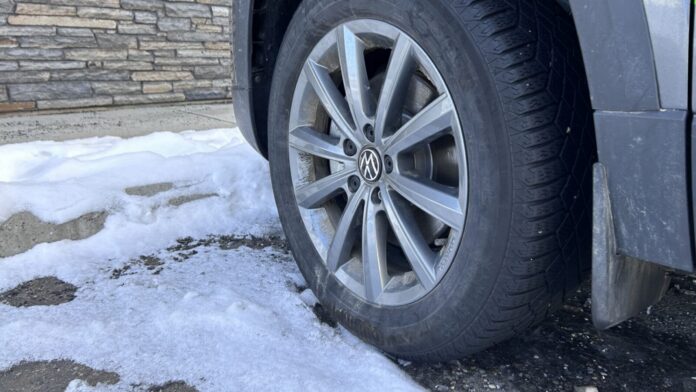
Winter-rated tires should have at least 3.5 millimetres of tread depth, while lights, wipers and washer fluid should be checked before travelling.
Acres says drivers also need to stay focused, avoid driving when tired and put their phones away.
“Getting to your destination safely has to be more important than getting there quickly,” Acres said.
The reminder also applies to employers whose workers drive as part of their jobs, whether they use company vehicles or their own cars.
WorkSafeBC said employers are responsible for assessing work-related driving risks and making sure workers have safe routes, schedules and procedures for delaying or cancelling trips when conditions are dangerous.
“Employers can help prevent collisions by ensuring workers have enough time to travel safely and by putting clear policies and procedures in place to cancel or postpone trips when road or weather conditions are unsafe,” says Todd McDonald, head of prevention services at WorkSafeBC.
“Getting workers to their destination safely should always be the priority.”
More winter driving safety information is available through Road Safety at Work.